

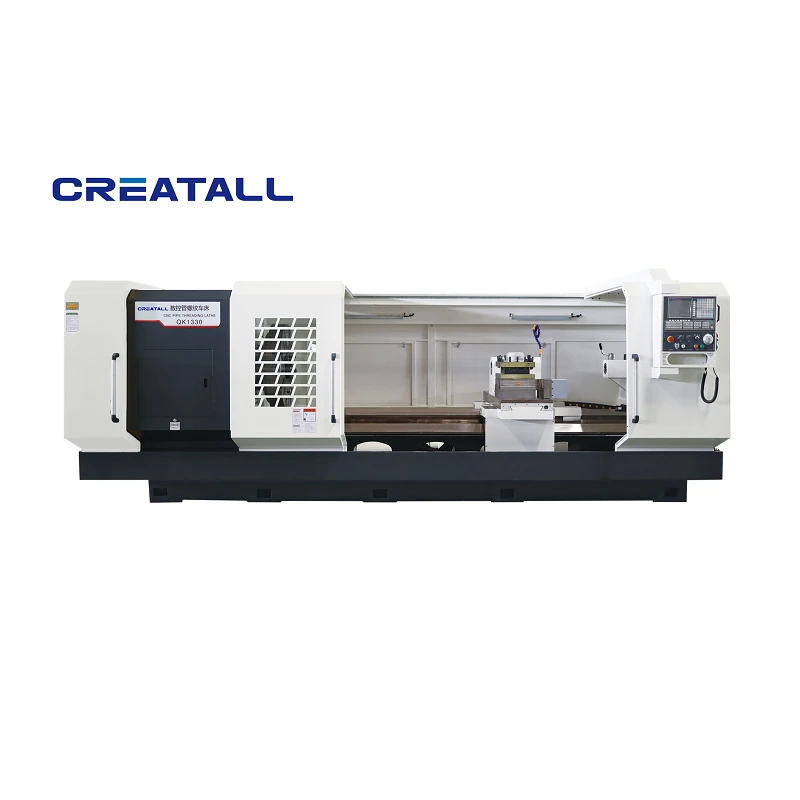
As a supplier of the QK1335 automatic machine tool, I understand the critical role that the electrical system plays in the overall performance and longevity of this sophisticated piece of equipment. A well - maintained electrical system ensures smooth operation, minimizes downtime, and enhances the safety of the machine. In this blog, I'll share some essential tips on how to maintain the electrical system of the QK1335 automatic machine tool.
Regular Visual Inspections
One of the simplest yet most effective ways to maintain the electrical system is through regular visual inspections. Start by checking all the electrical cables and wires for any signs of wear, fraying, or damage. Look for loose connections, as these can cause arcing, overheating, and potential electrical failures. Pay close attention to areas where cables bend or are subject to vibration, as these are common spots for damage.
Inspect the electrical enclosures and cabinets for any signs of moisture, dust, or debris. Moisture can cause corrosion of electrical components, while dust and debris can lead to overheating. Make sure that all doors and covers are properly sealed to prevent the ingress of contaminants.
Cleaning and Dust Removal
Dust and dirt can accumulate on electrical components over time, which can lead to overheating and reduced performance. Use a soft brush or compressed air to gently clean the electrical panels, circuit boards, and other components. Be careful not to damage any delicate parts during the cleaning process.
For areas with stubborn dirt or grease, you can use a mild electrical contact cleaner. However, make sure to follow the manufacturer's instructions and allow the cleaner to dry completely before powering on the machine.
Testing Electrical Components
Regular testing of electrical components is crucial to identify potential issues before they become major problems. Use a multimeter to test the voltage, current, and resistance of various components such as motors, relays, and switches. Compare the test results with the manufacturer's specifications to ensure that the components are functioning correctly.

Test the insulation resistance of cables and wires to check for any insulation breakdown. A low insulation resistance value can indicate a potential short - circuit or leakage current. If you find any components that are not functioning properly, replace them immediately with genuine parts to ensure the safety and reliability of the machine.
Calibration of Sensors and Controls
The QK1335 automatic machine tool is equipped with various sensors and controls that play a vital role in its operation. These sensors and controls need to be calibrated regularly to ensure accurate and consistent performance. Follow the manufacturer's guidelines for calibration procedures and use the appropriate calibration tools.
Calibration of sensors such as position sensors, temperature sensors, and pressure sensors is essential for precise machining operations. Incorrect sensor readings can lead to inaccurate machining results and potential damage to the machine.
Lubrication of Electrical Contacts
Proper lubrication of electrical contacts can improve their conductivity and prevent corrosion. Use a high - quality electrical contact lubricant on the contacts of relays, switches, and connectors. This will help to reduce contact resistance, minimize arcing, and extend the lifespan of the contacts.
When applying the lubricant, make sure to use a small amount and spread it evenly on the contact surfaces. Avoid getting the lubricant on other parts of the electrical system, as it can attract dust and debris.
Monitoring and Maintenance of the Power Supply
The power supply is the heart of the electrical system of the QK1335 automatic machine tool. Monitor the input voltage and frequency to ensure that they are within the acceptable range. Fluctuations in voltage or frequency can cause damage to electrical components and affect the performance of the machine.
Install a voltage stabilizer or uninterruptible power supply (UPS) to protect the machine from power surges and outages. A UPS can provide temporary power during a power outage, allowing you to safely shut down the machine and prevent data loss.
Training of Operators
Proper training of operators is essential for the maintenance of the electrical system of the QK1335 automatic machine tool. Operators should be trained on how to operate the machine safely, how to perform basic maintenance tasks, and how to recognize the signs of potential electrical problems.
Provide operators with a detailed user manual and maintenance guide. Encourage them to report any abnormal noises, vibrations, or electrical issues immediately so that they can be addressed promptly.
Importance of Using Genuine Parts
When replacing electrical components, it is crucial to use genuine parts from the manufacturer. Genuine parts are designed to meet the specific requirements of the QK1335 automatic machine tool and are tested to ensure their quality and reliability. Using non - genuine parts can void the warranty and may lead to compatibility issues and reduced performance.
Comparison with Similar Machine Tools
If you are interested in other models of automatic machine tools, we also offer the Qk1325 Big Bore Metal Lathe Pipe Threading, the QK1330 Automatic CNC Lathe Machine, and the QK1353 Automatic Pipe Thread Machine. These machines also have advanced electrical systems that require proper maintenance to ensure optimal performance.
Conclusion
Maintaining the electrical system of the QK1335 automatic machine tool is essential for its reliable operation, longevity, and safety. By following these maintenance tips, you can minimize downtime, reduce repair costs, and ensure that your machine continues to produce high - quality parts.
If you have any questions about the maintenance of the QK1335 automatic machine tool or are interested in purchasing one, please feel free to contact us for further discussion and procurement negotiation.
References
- Manufacturer's user manual for the QK1335 automatic machine tool
- Electrical engineering textbooks on industrial machine maintenance
- Technical bulletins from electrical component manufacturers